
The Human Coiled-coil Domain-containing Protein 82 (CCDC82) ELISA kit is a robust and precise tool for detecting and quantifying CCDC82 in various biological matrices, including serum, plasma, and cell lysates. CCDC82, a coiled-coil domain-containing protein, is gaining attention in the research community for its roles in cell signaling, structural integrity, and its potential connections to various diseases, including cancers and neurodegenerative disorders.
Understanding CCDC82: Structure and Function
CCDC82 is part of a family of proteins characterized by the presence of coiled-coil motifs, which facilitate protein-protein interactions crucial for cellular architecture and signaling. Recent studies, accessible through PubMed, suggest its involvement in:
- Regulation of Cell Signaling: Coiled-coil domains allow CCDC82 to mediate interactions with other signaling molecules.
- Cytoskeletal Dynamics: CCDC82 may interact with components of the cytoskeleton, contributing to cellular integrity and motility (NIH.gov).
- Gene Regulation: Evidence points to CCDC82’s role in transcriptional regulation under specific physiological and pathological conditions (Science.gov).
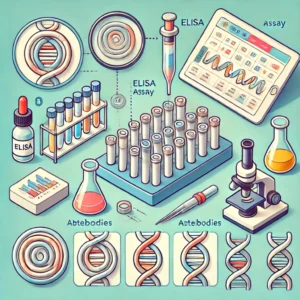
Applications of CCDC82 Research in Disease
1. Cancer Biology
Changes in CCDC82 expression levels have been observed in various cancers. Research indicates its potential role as a biomarker or therapeutic target, particularly in solid tumors and hematologic malignancies. The National Cancer Institute (Cancer.gov) highlights the need for precise tools like the CCDC82 ELISA to explore these mechanisms further.
2. Neurodegenerative Disorders
Given its presence in the central nervous system, CCDC82 is under investigation for its role in diseases such as Alzheimer’s and Parkinson’s. Studies on neuronal signaling pathways, like those funded by the National Institute on Aging, emphasize the importance of accurate protein quantification tools.
3. Autoimmune and Inflammatory Diseases
CCDC82’s role in immune response regulation is an emerging field. The ELISA kit facilitates research into its expression under autoimmune conditions, supported by resources like NIAID.
Advantages of the CCDC82 ELISA Kit
- High Specificity and Sensitivity: Detects minute concentrations of CCDC82, making it ideal for low-abundance proteins (NIST.gov).
- User-Friendly Protocols: Simplified workflows suitable for routine lab use and advanced research (NSF.gov).
- Wide Application Range: Compatible with various sample types and validated across multiple research domains (FDA.gov).
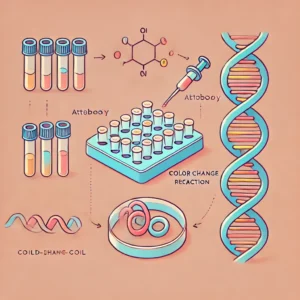
Protocol Workflow: Step-by-Step
- Preparation:
- Dilute the provided standards and prepare samples as directed. Ensure all reagents are equilibrated to room temperature before use.
- Review guidelines from resources like EPA.gov for handling biological samples safely.
- Plate Setup:
- Add standards, controls, and samples to pre-coated wells in the ELISA plate. Use a multichannel pipette for accuracy (CDC.gov).
- Incubation and Washing:
- Allow samples to bind for the specified incubation period. Wash thoroughly to remove non-specific bindings using buffers recommended by NIH.gov.
- Detection:
- Apply the enzyme-conjugated detection antibody and add the substrate solution. Read absorbance at the specified wavelength after stopping the reaction (ClinicalTrials.gov).
- Data Analysis:
- Use software to generate a standard curve and interpolate sample concentrations. For best practices, refer to NIH’s assay guidelines.
Broader Impacts of CCDC82 Quantification
1. Biomarker Development
CCDC82’s potential as a diagnostic biomarker can be better understood through population-based studies and clinical trials, as highlighted by ClinicalTrials.gov.
2. Therapeutic Targeting
By exploring how CCDC82 interacts within its signaling networks, researchers can design targeted therapeutics. Tools like the CCDC82 ELISA provide essential data for this endeavor (ScienceDirect).
3. Basic and Translational Research
Beyond clinical applications, quantifying CCDC82 enhances our understanding of basic cellular processes and molecular pathways (PubMed).
